

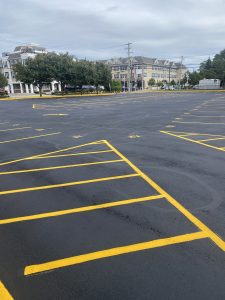
 For property managers on Long Island, a well-maintained parking lot is more than just curb appeal—it’s a reflection of how a property is managed and how tenants, customers, or visitors feel when they arrive. From Roosevelt Field Mall in Garden City to commercial centers along Jericho Turnpike and Montauk Highway, deteriorating asphalt is a fast way to lose business or complaints from tenants.
That’s why sealcoating is a vital part of long-term property value and liability protection. But not all sealcoating services are equal.
Experienced property managers know what to look for, and here on Long Island, these are what matter most.
Key Takeaways
- Property managers on Long Island look for sealcoating crews who show up on time and communicate clearly.
- Local climate, traffic, and regulations make Long Island asphalt maintenance different from other areas and require special care.
- Early signs like cracks or puddles mean it’s time to seal, stripe, and fix drainage before damage spreads.
- Royal Pavement Solutions helps managers plan with sealcoating that lasts and maintenance that fits their property schedule.
Professionalism and Accountability on the Job Site
Property managers in Nassau and Suffolk counties need contractors who show up on time, communicate clearly, and work within tight operational windows.
Whether it’s coordinating with stores in Bay Shore’s South Shore Mall or limiting disruption near busy office complexes in Melville, professionalism is key.
Managers look for crews that are uniformed, licensed, and insured—not just for peace of mind, but because tenants expect it. A contractor who provides clear estimates, detailed timelines, and follows up post-job earns trust quickly in this market.
Knowledge of Long Island’s Asphalt Wear Patterns
Sealcoating in Long Island isn’t the same as sealcoating in upstate New York or even parts of New Jersey. The freeze-thaw cycles, especially around Port Jefferson and East Setauket, take a toll on asphalt—cracking and oxidation happen fast in lots that aren’t properly maintained.
Property managers prefer working with contractors who understand these local climate pressures and apply the right materials and methods, like coal tar or asphalt emulsion sealers tailored to the region’s specific temperature swings and salting patterns.
Familiarity with Local Property Types and Regulations
Different properties require different approaches.
A commercial strip mall in Massapequa isn’t maintained the same way as a residential HOA in Huntington or a hospital parking lot in Stony Brook.
Many Long Island municipalities, including the Town of Hempstead and Brookhaven, have guidelines around water runoff, ADA striping, and even working hours.
Property managers appreciate contractors who are already familiar with these codes and can help ensure compliance—because red tape and retroactive fixes are headaches no one wants.
A Focus on Longevity, Not Just Looks
It’s not enough to make the lot look black and shiny for a week. Managers want sealing jobs that last through multiple seasons, especially in high-traffic areas like the bustling Route 110 corridor in Farmingdale or commuter-heavy train station lots like Ronkonkoma.
Property managers tend to prioritize contractors who use high-quality materials and prep thoroughly—crack filling, edge trimming, and oil spot priming.
This proactive approach helps delay major resurfacing and minimizes long-term costs.
Flexibility with Scheduling and Traffic Control
Sealcoating often requires shutting down access to key parts of a property, which is tricky when you’re managing a medical office near Mineola or a retail plaza in Patchogue.
Property managers need contractors who can schedule off-hours work—overnights or weekends—and provide full traffic control support. This includes cones, flaggers, and signage to keep customers and tenants safe and informed.
A flexible crew that works around tenant needs builds long-term relationships with managers.
Transparent Pricing Without Surprises
Long Island property budgets are already tight. Between taxes, insurance, and maintenance, unexpected costs are a nonstarter for most managers. That’s why they value clear, line-item estimates that account for prep, sealing, striping, and any potential patching.
Whether it’s a 50-space lot in Rockville Centre or a 300-space garage in Riverhead, price transparency builds confidence.
Many managers won’t even consider a contractor who can’t explain their pricing structure in simple, local terms.
What to Take When You See Signs Your Lot Needs Sealcoating
When property managers notice early signs of wear—like surface graying, spider cracks, or fading lines—it’s time to act before the damage spreads.
Here’s what we recommend, based on decades of local experience.
Schedule a Professional Walkthrough
Don’t just rely on a drive-by glance.
Whether your lot is near Roosevelt Field or tucked behind a medical complex in Smithtown, walking the property with a sealcoating contractor helps identify small cracks, low spots, or oil damage that may not be visible from a distance.
We often catch early warning signs that can be corrected before they escalate into major resurfacing projects.
Address Drainage Issues Immediately
Puddling after rain—especially around the edges or in traffic lanes—is a red flag.
In low-lying areas like Freeport or Lindenhurst, poor drainage accelerates asphalt breakdown and crack formation.
A professional can recommend regrading, adding drains, or sealing around utility covers to prevent water intrusion, which is one of the biggest threats to asphalt on Long Island.
Fill Cracks Before Sealing
Sealcoating without crack filling is like painting over rust—it looks better, but the problem stays. In areas with frequent freeze-thaw swings, like Syosset or East Northport, cracks must be routed and filled with hot rubberized material before any sealant is applied.
Ignoring this step means the cracks will reappear and grow within a few months.
Re-Stripe for Visibility and ADA Compliance
Faded lines affect traffic flow and safety. We often see lots in older towns like Greenport or North Babylon where ADA spaces have faded or no longer meet code.
After sealcoating, re-striping ensures compliance and keeps pedestrians and drivers safe, especially in lots shared by both cars and delivery vehicles.
Coordinate a Maintenance Plan
Once the lot is sealed, it’s smart to set a timeline for routine inspections and future reapplications. Managers overseeing multiple properties—from Levittown to the Hamptons—benefit from having a rolling maintenance plan.
This keeps each property on a predictable schedule and helps forecast future costs without last-minute scrambling.
Keep Your Parking Lot Safe and Strong for the Long Haul
Property managers across Long Island are under constant pressure to deliver clean, functional, and safe spaces—all while staying within budget and minimizing tenant disruption.
Parking lot maintenance plays a huge role in that balance.
At Royal Pavement Solutions, we understand what local managers really need because we’ve worked with commercial, industrial, and residential properties from Riverhead to Rockville Centre.
Whether it’s scheduling sealcoating overnight to avoid traffic issues, choosing the right material for Long Island’s climate, or helping you stay ahead of small asphalt repairs before they become major expenses—we’ve got you covered.
Call us today or request a quote and see why Long Island property managers trust us to keep their lots in top shape.
Frequently Asked Questions
How long after sealcoating can vehicles safely use the parking lot?
Most parking lots can reopen to traffic within 24 to 48 hours. We schedule jobs to avoid disruption and ensure your surface cures properly for long-term performance and safety.
Can sealcoating be scheduled for multiple properties under one service agreement?
Yes, we offer coordinated maintenance plans for property managers with multiple locations. This streamlines scheduling, reduces costs, and keeps all your Long Island lots on a consistent service cycle.
What should I do if a tenant reports a pothole before sealcoating is scheduled?
We offer temporary patching to stabilize potholes and prevent injuries or damage. This service helps you stay protected while waiting for your full sealcoating or resurfacing appointment.
Do you handle sealcoating for private roads or non-traditional surfaces?
Yes, we provide sealcoating for private roads, access lanes, and other non-standard surfaces. We tailor materials and timelines based on traffic volume and surface wear specific to each location.


